

Medically Reviewed by Dr. Douglas M. Stevens, MD
Board Certified Facial Plastic and Reconstructive Surgeon
The face staring back at you may look a little more tired or aged than you feel. For patients bothered by jowls, sagging cheeks, or a less defined jawline, a deep plane facelift offers a modern approach that addresses facial aging below the surface rather than relying primarily on tightening the skin.
This advanced facelift procedure works with the deeper structural layers of the face to reposition tissues that have descended over time. Understanding how the technique works, where it can make a difference, and what goes into achieving a natural facelift result can help you decide whether it belongs in your facial rejuvenation plan.
What Is a Deep Plane Facelift?
A deep plane facelift is a surgical technique that works beneath the superficial musculoaponeurotic system, commonly called the SMAS. Instead of separating the skin extensively from the deeper tissues and placing most of the tension closer to the surface, the surgeon mobilizes deeper layers of tissue together.
This approach also allows the surgeon to release facial retaining ligaments that can limit how freely descended tissue can be repositioned. The goal is not simply tighter skin. It is to restore facial tissues to a more youthful position while maintaining the natural relationships between different parts of the face.
What Happens to Facial Tissues as We Age?
Facial aging happens at multiple levels. Skin loses elasticity, but the fat and other soft tissues that create youthful facial contours also shift downward. This can contribute to heavier lower cheeks, jowls, deeper folds around the mouth, and reduced definition between the face and neck.
These changes do not occur at the same rate for everyone. Genetics, skin quality, facial structure, sun exposure, and changes in facial volume can all influence when and where signs of aging become most noticeable.
That variation is one reason facelift planning is highly individualized. Two patients of the same age may have very different patterns of facial aging and therefore different priorities for treatment.
Why the Direction of the Lift Matters
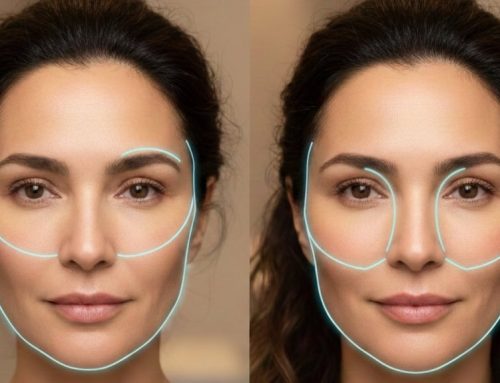
Where tissue is moved is just as important as how deeply the surgeon works. Pulling facial tissue primarily backward can create tension in a direction that does not reflect how the face has changed with age.
Dr. Stevens performs a specialized vertical vector facelift, an advanced deep plane technique that lifts facial tissues upward. This approach is designed to restore youthful contours while avoiding an overly tight or pulled appearance and minimizing visible scarring or distortion around the hairline and earlobes. Knowing what goes into the surgical approach can help patients have more informed conversations about their facelift options.
Why Are More Patients Choosing the Deep Plane Approach?
For some patients, the appeal of a deep plane facelift is the opportunity to move away from continually managing facial aging one concern at a time. Rather than relying on repeated treatments to maintain or replace facial volume over the years, they may reach a point where they want a more comprehensive and lasting form of rejuvenation.
Longevity is part of that appeal. A facelift cannot stop the aging process, but deep plane techniques are associated with durable results that can remain evident for many years. Research following patients who eventually returned for another facelift found an average interval of nearly 11 years after their initial deep plane procedure.
That combination can make the approach particularly attractive to patients who are ready for a longer-term change rather than ongoing correction and maintenance.
How Does the Neck Fit Into a Deep Plane Facelift?
Repositioning deeper tissues through the lower face can also improve the transition from the jawline into the upper neck. As tissues are elevated and the jawline becomes more defined, the relationship between the face and neck can appear smoother and more youthful.
The neck is also evaluated during surgical planning because loose skin, underlying muscle, and fullness beneath the chin can all influence the final contour. Looking at these elements together allows the facelift procedure to be planned around the full lower-face profile rather than treating the jawline as an isolated feature.
A More Comfortable Facelift Experience
The surgical experience itself can be simpler than many patients expect. Dr. Stevens performs cosmetic procedures in office using local anesthesia rather than general anesthesia. Patients remain comfortable while avoiding the need for a hospital or surgical center setting.
The exact length of the procedure varies based on the extent of surgery and the individual treatment plan. Before surgery, patients receive detailed instructions so they know what to expect on the day of their procedure and during the initial facelift recovery period.
Frequently Asked Questions
Is a deep plane facelift considered more invasive than other facelift techniques?
Working at a deeper level does not automatically make a facelift more invasive. In fact, the deep plane technique allows the skin and underlying tissues to be lifted together, rather than requiring extensive separation between those layers.
Is a deep plane facelift only for more advanced facial aging?
No. A deep plane facelift does not require waiting until facial aging reaches a certain level of severity. It may be considered for moderate changes as well, with the extent of the facelift tailored accordingly.
Can facial asymmetry be addressed during a deep plane facelift?
Yes. If one side of the face sits differently from the other, the facelift can be adjusted to account for those differences. Rather than making identical changes on both sides, Dr. Stevens can tailor the lift on each side to create better overall balance.
Discover the Deep Plane Facelift Difference
If a deep plane facelift sounds like the type of facial rejuvenation you are looking for, the next step is finding out what the procedure could realistically accomplish for you. A consultation with Dr. Stevens gives you the opportunity to discuss your concerns, ask questions about his vertical vector technique, and understand what you can expect from your facelift result.
Stevens Facial Plastic & Laser Center welcomes patients from Fort Myers and surrounding Southwest Florida communities, including Cape Coral, Bonita Springs, Naples, Punta Gorda, and Port Charlotte. Contact our office today.